











On October 15th, #a11yTO Gaming made its grand return to Toronto.
For attendees, the conference was a chance to reconvene after a long time away during COVID. More importantly, though, it was an opportunity for learning.

Taking place at Microsoft’s recently opened fancy Toronto headquarters, #a11yTO Gaming was a celebration of accessibility in gaming, bringing together people from across the industry to help make games more inclusive to all. The event was hosted by Steve Saylor, renowned Canadian accessibility consultant and content creator who’s contributed to such big games as The Last of Us Part II, Marvel’s Guardians of the Galaxy and Assassin’s Creed Valhalla.
After speaking with Saylor last year, I’ve developed a far greater appreciation for the importance of accessibility, so I was eager to learn more at #a11yTO Gaming. With a slew of accessibility experts from Ubisoft, Eidos Montreal and more in attendance, there was so much to take in. Here are some of my big takeaways.
First, some numbers
Before I get into the actual conference, though, you should have some context. According to Microsoft, there are 400 million gamers around the world have some form of disability. That right there dispels any notion that accessibility is some sort of niche. (Not to mention the fact that, as pointed out at #a11yTO by accessibility advocate David Dame, “we will all be disabled one day, some of us just beat you to it.”) These communities face all sorts of barriers, such as a lack of colour contrast options the visually impaired, overly complex button inputs for those with motor limitations or insufficient closed captioning for the deaf or hard of hearing.
But while awareness of accessibility has been increasing through the aforementioned games and events like #a11yTO and Xbox’s recent Accessibility Showcase, there’s still a lot of work to be done. For example, in a 2022 Game Developers Conference survey, only 39 percent of respondents said they had implemented accessibility measures into their games. One developer even noted that “there is still a lot of pushback in implementing accessibility features.” While this person was referring to their own team, this could also apply to gamers at large, many of whom lack empathy and even try to gate-keep players who seek accessibility options.
Clearly, then, there are many areas of improvement, and #a11yTO Gaming showcase a variety of tips and initiatives to help with just that.
What even is accessibility?
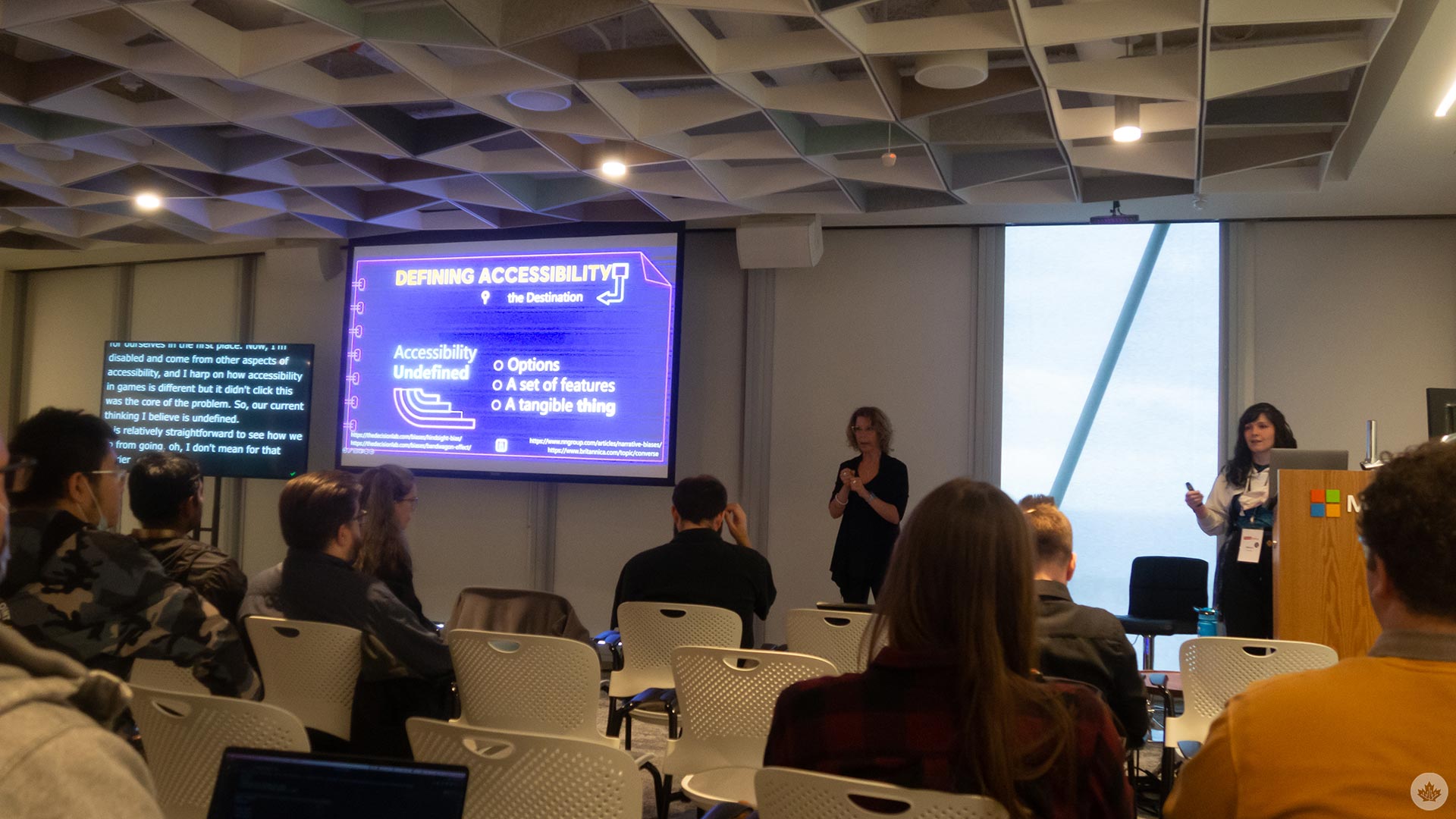
Aderyn Thompson giving a talk on accessibility at #a11yTO Gaming.
Many people might think of basic things like subtitles or customizable controls as accessibility, but it goes a lot deeper than that.
During a talk at #a11yTO, Aderyn Thompson, Ubisoft’s accessibility design lead, took the time to properly define accessibility. For Thompson, who’s non-binary and uses they/them pronouns, accessibility refers to “a player’s access to the gaming experience that’s either improved, or impeded, by the decisions made.”
However, they noted that many developers fall into the trap of using checklists to see measure their games’ accessibility, pointing out how the commonly used Web Content Accessibility Guidelines (WCAG) are convoluted with “guidelines for your guidelines,” to which the audience chuckled in agreement.
Thompson notes that accessibility isn’t simply a set of features, but rather, something that needs to be baked into the core design.”There are no such things as features for blind or deaf or cognitive or motion accessibility. We could centre specific players in how we brainstorm solutions, but then we expand our view,” they explained. “This way, we can avoid neglecting overlaps conflicting barriers, and, in the end, we make a more universal and less likely stigmatizing design.”
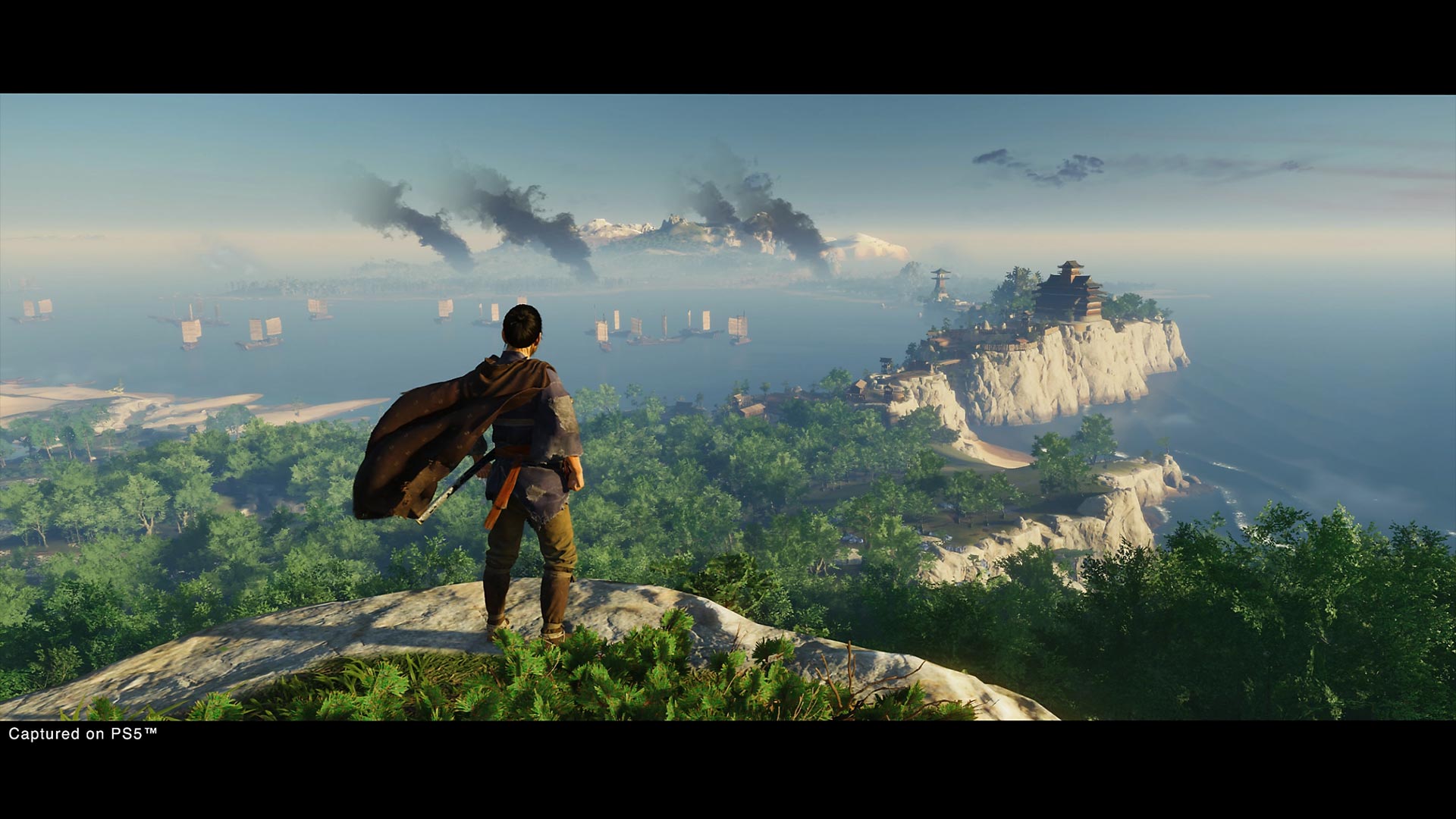
Many players embraced Ghost of Tsushima’s hands-off approach to exploration, but Ubisoft’s Aderyn Thompson says there are a few ways it could have been more inclusive. Image credit: PlayStation
To illustrate this, Thompson outlined how two beloved PlayStation games were inaccessible in ways many players likely might not have considered. First, they brought up how Ghost of Tsushima had well-received elements like the ‘Guiding Wind’ or wild foxes to help steer players towards points of interest in a more natural, UI-free way. While Thompson praised the creativity behind all of this, they also noted how they “rely on the sensory processes of seeing, listening and thinking,” which could present barriers for disabled players. “Imagine how much the universal player experience could be improved for everybody,” Thompson said, by including features like haptics and visual information for audio cues. Indeed, the eventual PS5 Director’s Cut did add some of this and received praise from both gaming accessibility site Can I Play That? and general players for the enhanced immersion.
Where Ghost of Tsushima‘s minimalist approach was perhaps too limiting for some, Thompson observes that another PlayStation game, Horizon Forbidden West, could be too much for players. In this case, Thompson actually consulted on the Horizon sequel, so there’s an added layer of self-reflection here. They explain that they saw several streamers resort to using protagonist Aloy’s spear for basic melee attacks, despite the fact that this sort of play is “ineffective” compared to the “mind-blowing player agency” afforded by the combat. The reason for this, Thompson speculates, is that the “intensity” of fights — which require you switch between many different weapons on the fly while jumping, dodging and scanning enemies with Aloy’s Focus for weaknesses — may have been overbearing.
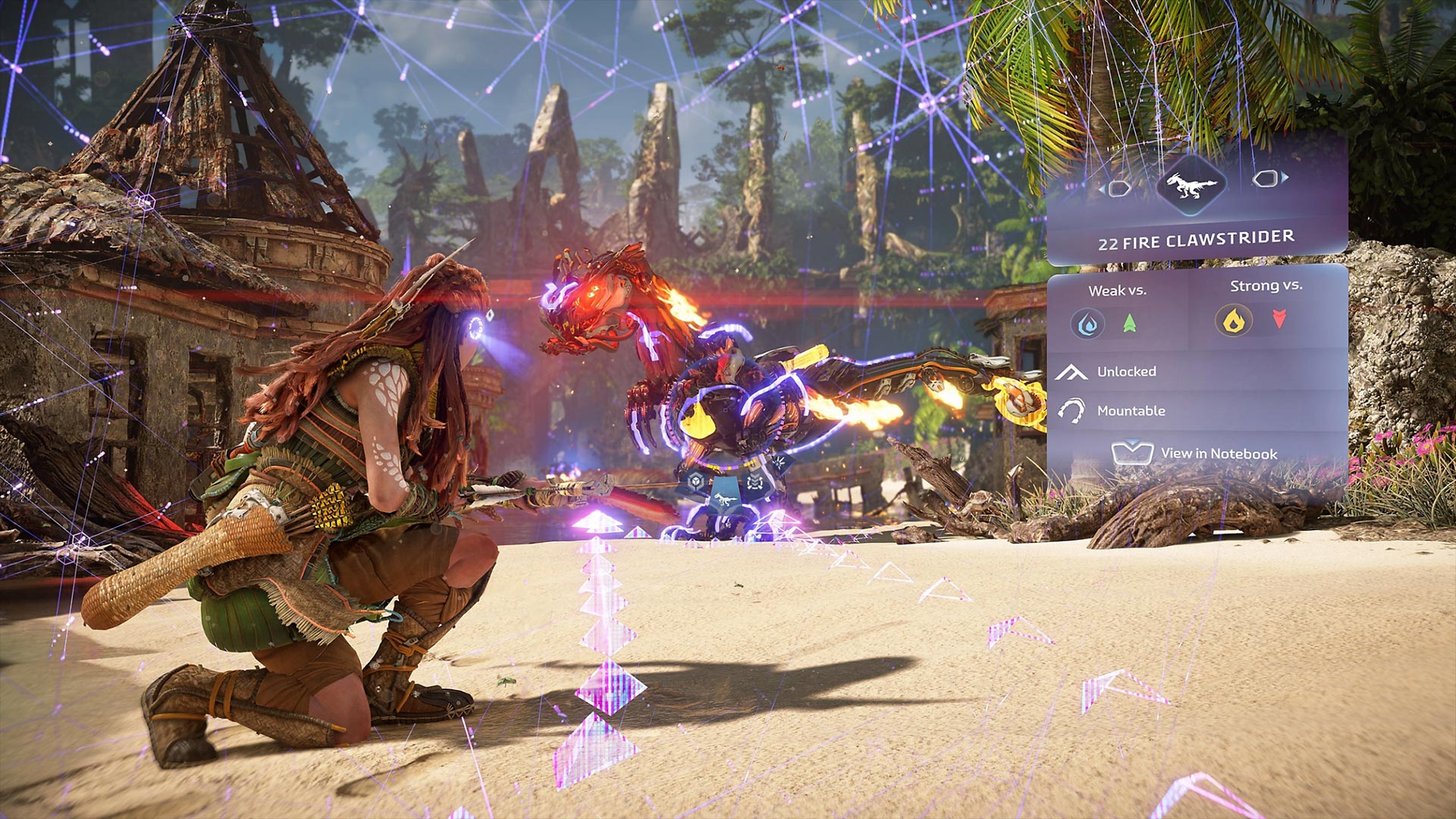
The Focus mechanic in Horizon Forbidden West. (Image credit: PlayStation)
As a result, players might have found mashing the melee button to be simpler than the more intensive archery. “If we broaden our understanding of cognitive load and motor capabilities, we could have addressed this,” Thompson said. They noted that the Focus already has some strong accessibility aspects, like clear highlighting for “precision and visibility,” but focusing on “fundamentals like interface, slice and contrast and player’s reaction capabilities” could have benefited more people, disabled or otherwise.
Thinking outside the box
We’ve mentioned games with extensive lists of accessibility features, like The Last of Us or Guardians of the Galaxy. But #a11yTO also provided some examples of games that, like Thompson mentioned, take accessibility one step further.
They specifically cited Hades‘ God Mode, a variation on a difficulty mode that makes you take less damage over time — something that can benefit anyone who’s struggling with the game. Praise was also given to games that offer unique ways of conveying messages to players, like Deathloop‘s floating text (narratively justified as representations of protagonist Colt’s inner thoughts) or the helpful notes that players can leave each other in From Software titles like Bloodborne.
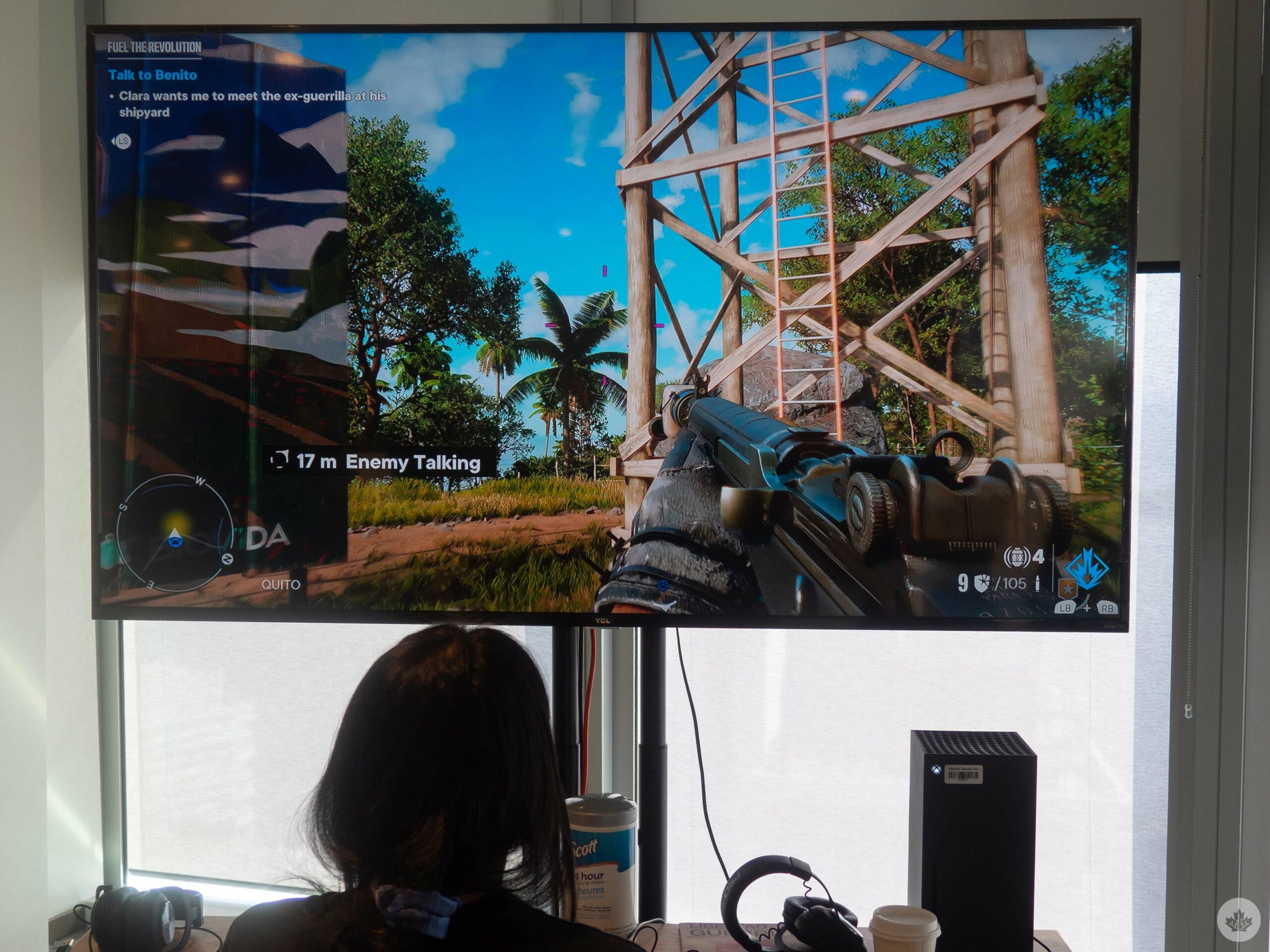
One of Far Cry 6’s accessibility features provides captions so players can follow on-screen prompts to find out where an enemy’s voice is coming from.
In his own panel, Ubisoft Toronto game designer Douglas Gregory explained how simply offering players more versatility can be good accessibility design. He gave an example of a Far Cry 6 tester who had visual impairments and wanted to avoid a heated firefight. As a result, his strategy was to pick up a sniper rifle and pick off enemies from afar at his own pace. However, he also equipped a widespread shotgun so he could run up close and shoot point blank without having to carefully aim.
Gregory noted that some developers’ first reaction might be that this is a sort of exploit that “breaks” the game and, therefore, should be fixed. But he realized the accessibility value in having this as a viable tactic on top of the player just having a good time with it. “How can we make this strategy as fun, varied and interesting as any other part of our gameplay?” he says of the ethos behind its inclusion.
Other examples he brought up of accessibility integrated into the gameplay include the level slider in The World Ends With You (“tune your experience to what’s right for you in the moment”) and even co-operative play (“you can accomplish things that would have been overwhelming all alone”).
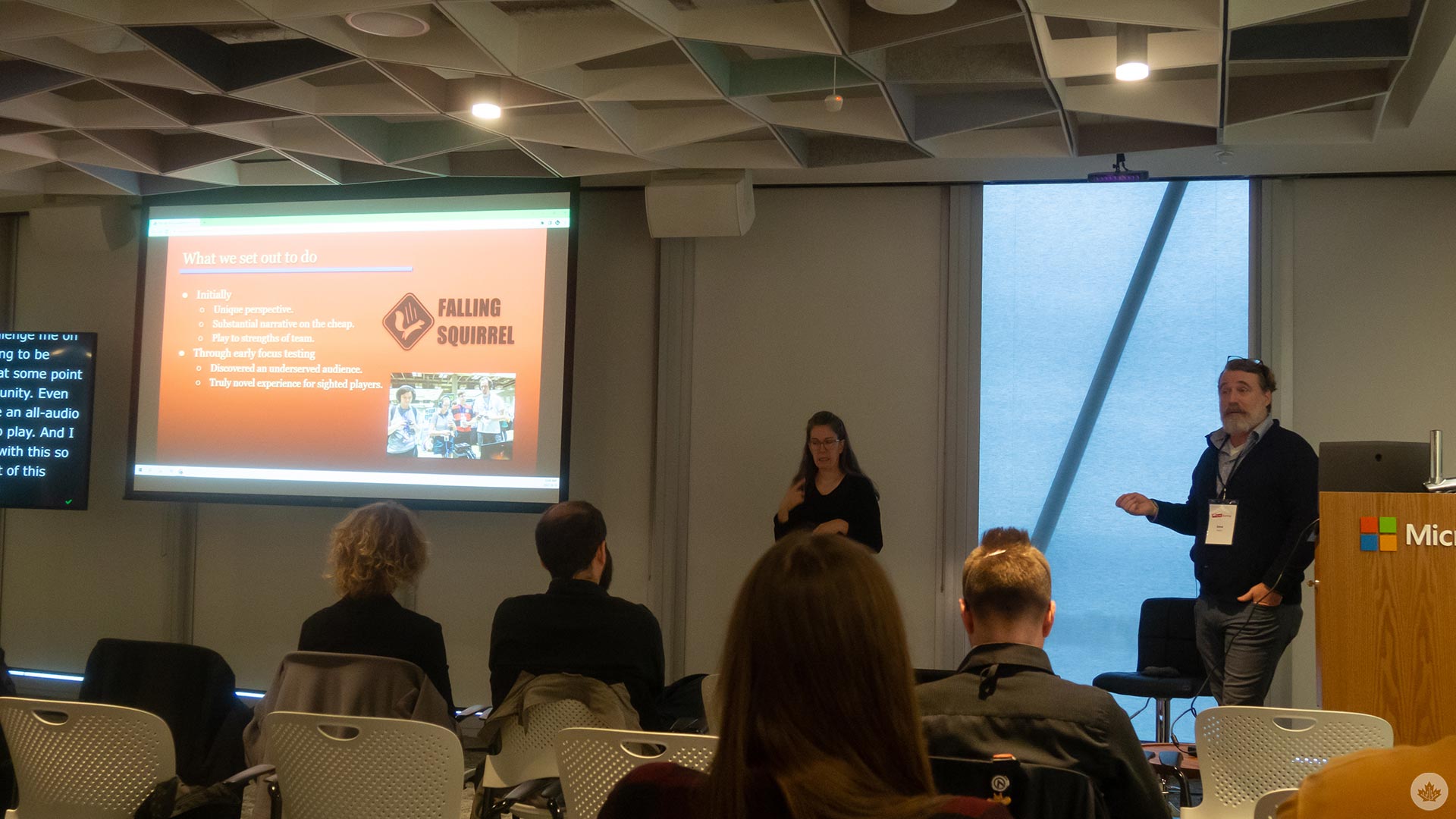
Dave Evans giving a panel on The Vale: Shadow of the Crown.
Dave Evans, founder and creative director at St. Catharines, Ontario-based indie developer Falling Squirrel, did something even more unique: he made a game that can be played entirely without sight. Enter The Vale: Shadow of the Crown, a action-adventure game about a blind Medieval warrior that leverages 3D audio and haptic controller feedback for its narrative and gameplay. Players have to listen to audio cues like enemy sounds or narration to progress.
Evans, a veteran of the gaming, film and TV industries, said during a panel that The Vale came about from a desire to find other ways to tackle narrative besides cutscenes.
“The one thing that drove me nuts about working on [cinematics] is how siloed the development of the narrative in a cinema was from the actual gameplay,” he said. The goal was to not have players “sitting idly by watching [cinematics] to get that exposition.” Cognizant of budget constraints as an indie developer, though, he soon came up with the idea of creating a game that didn’t use visuals. This would help save money and, he quickly realized, open it up to disabled players. From there, he teamed up with the Canadian National Institute for the Blind and members of the blind community for support.
On top of adding accessibility, Evans said making The Vale audio-only provided sighted players with novel experiences he hadn’t considered.
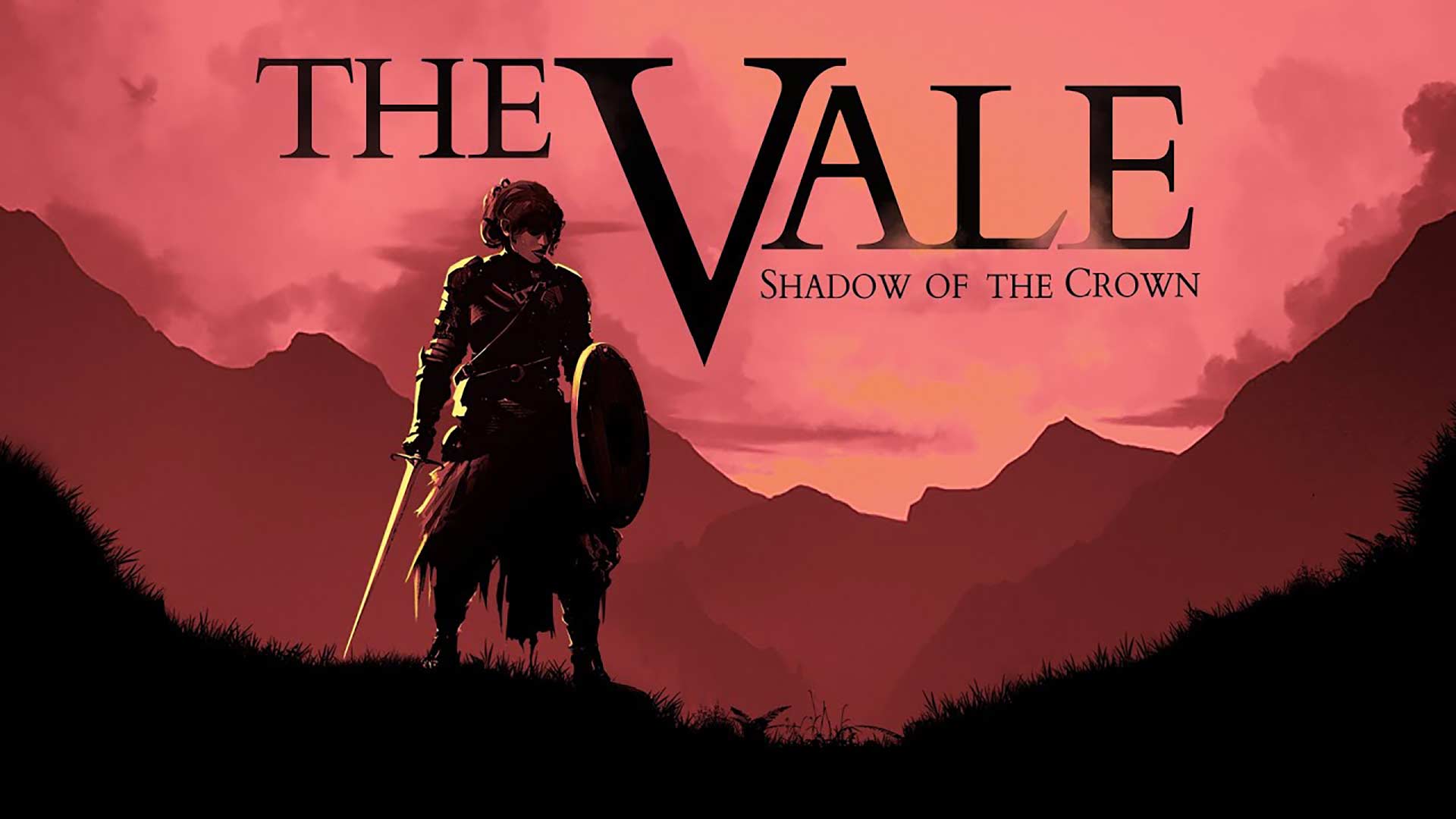
The Vale: Shadow of the Crown. (Image credit: Falling Squirrel)
“A lot of people were playing away from the screen. They’re just sitting on the couch, closing their eyes, lying down and playing the game. I don’t play too many games that way. And I realized, ‘wow, what a great way to play a game,” he said. “And you know, late at night, you’re wanting to get away from screens, you don’t want eyestrain. So people who are sighted now finding that this novel experience has other benefits as well.”
Evans admitted that The Vale is not perfect; some members of the community were “split” on the “blind swordsman trope,” although he worked to ensure the character “was not defined by that disability.” He also said next steps for a game like The Vale would include offering a dialogue skip and improving options for the hearing impaired and non-English speakers.
Still, The Vale is an impressive and original game, especially from a small indie studio, and it highlights how thinking outside of the box for game concepts can also lead to accessibility. In this way, blind and visually impaired users get a game that is easily playable, while sighted people have an experience that is quite different from anything else they’ll have come across. In end, Evans said that “accessibility-based design did not compromise the game and lead to better experiences for all.”
Increasing awareness within the industry
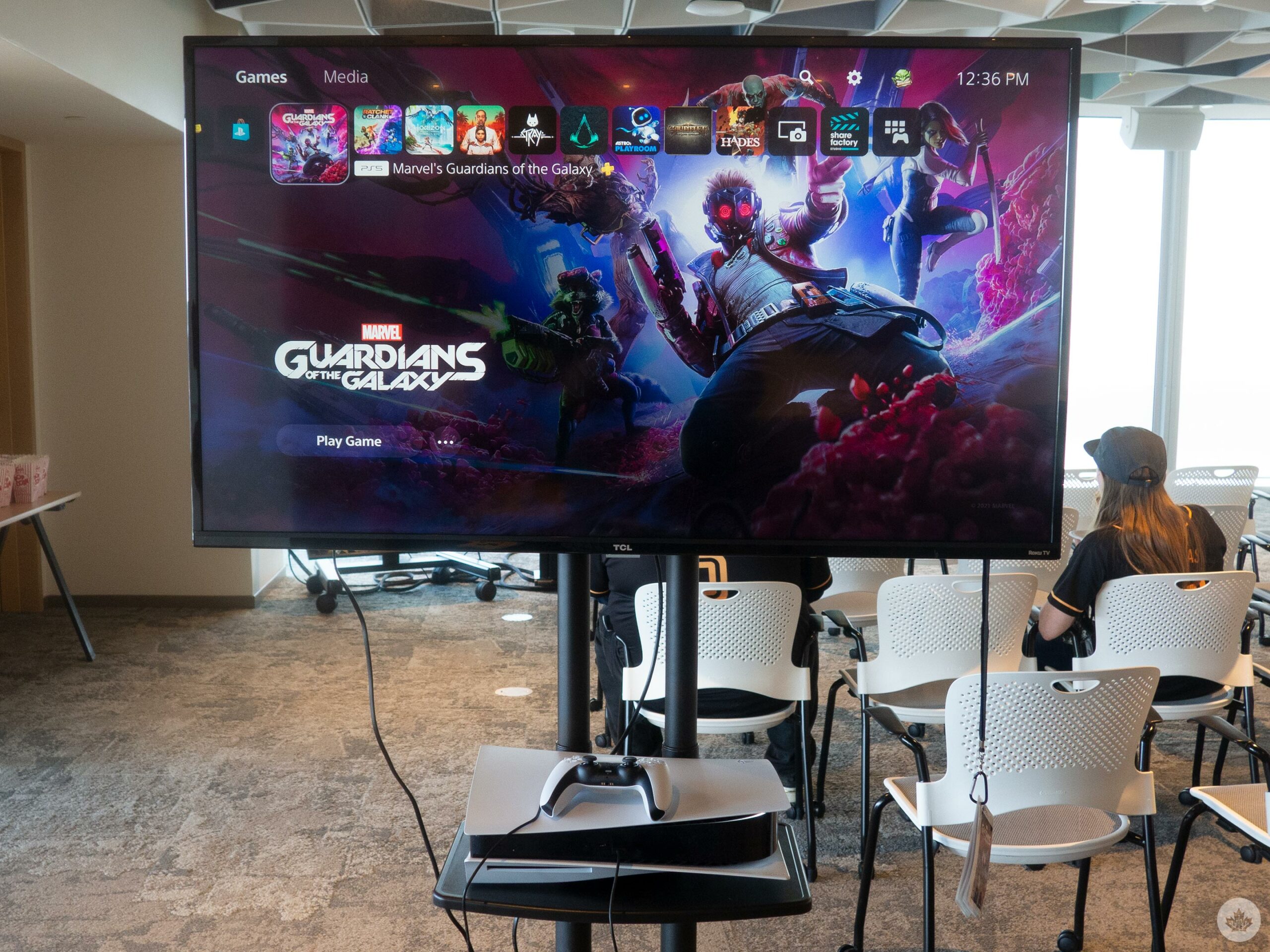 Rodrigo Sanchez, senior accessibility specialist at Marvel’s Guardians of the Galaxy developer Eidos Montreal, told me about one novel way his team is promoting inclusivity in games.
He says each new employee at the studio is asked about what they know about accessibility and how they think it may relate to their role. “Some people are like ‘this is what I do but I don’t know how it intertwines,’ so we meet with them and show them how it can intersect with their role,” explains Sanchez.
The idea is to provide broader education on accessibility and show them that it doesn’t just apply to specific areas. “It really gives them a great notion of ‘even outside of my day-to-day life, there’s accessibility around me, so how do I interact with that?’” He says Douglas Gregory heard of this whole on-boarding process and wanted to learn more to try to share it with other teams.
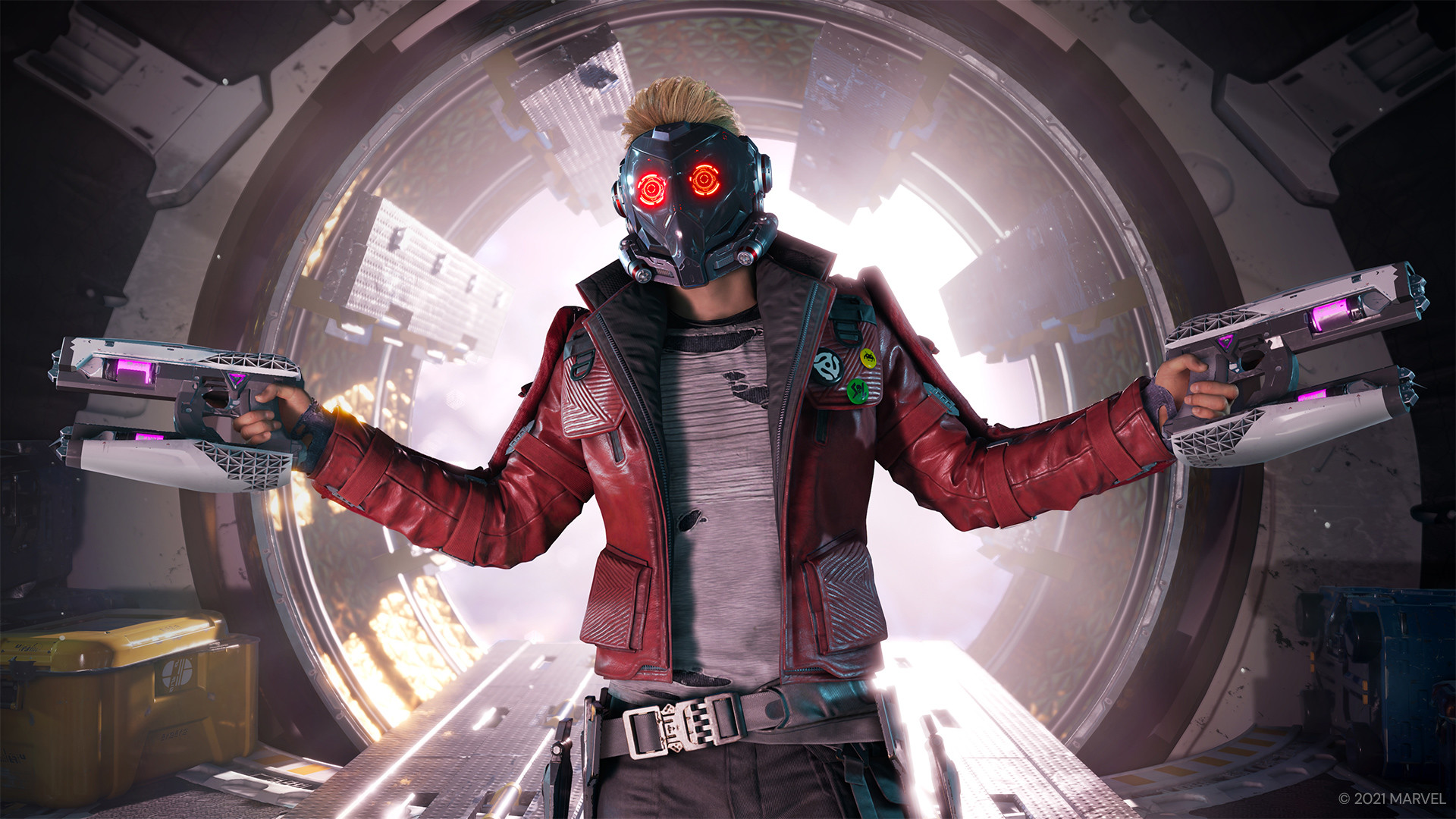
In Marvel’s Guardians of the Galaxy, Star-Lord’s visor offers high contrast options for colourblind players. (Image credit: Eidos Montreal)
Sanchez also echoes what Thompson said about guidelines not being enough.
“You can’t just have a checklist — it’s very difficult. That’s something we took into consideration,” he said. “Guidelines might be very broad and may not pertain to your specific role, so we’re going through it and customizing for your specific role.”
Beyond that, Eidos Montreal holds monthly accessibility meetings to champion the work that’s been done, outline what more can be done, provide feedback, and more. And even though Eidos Montreal is now owned by Embracer Group, Sanchez says the team will continue to collaborate with studios at former parent company Square Enix on accessibility initiatives for the time being.
Going beyond the games themselves
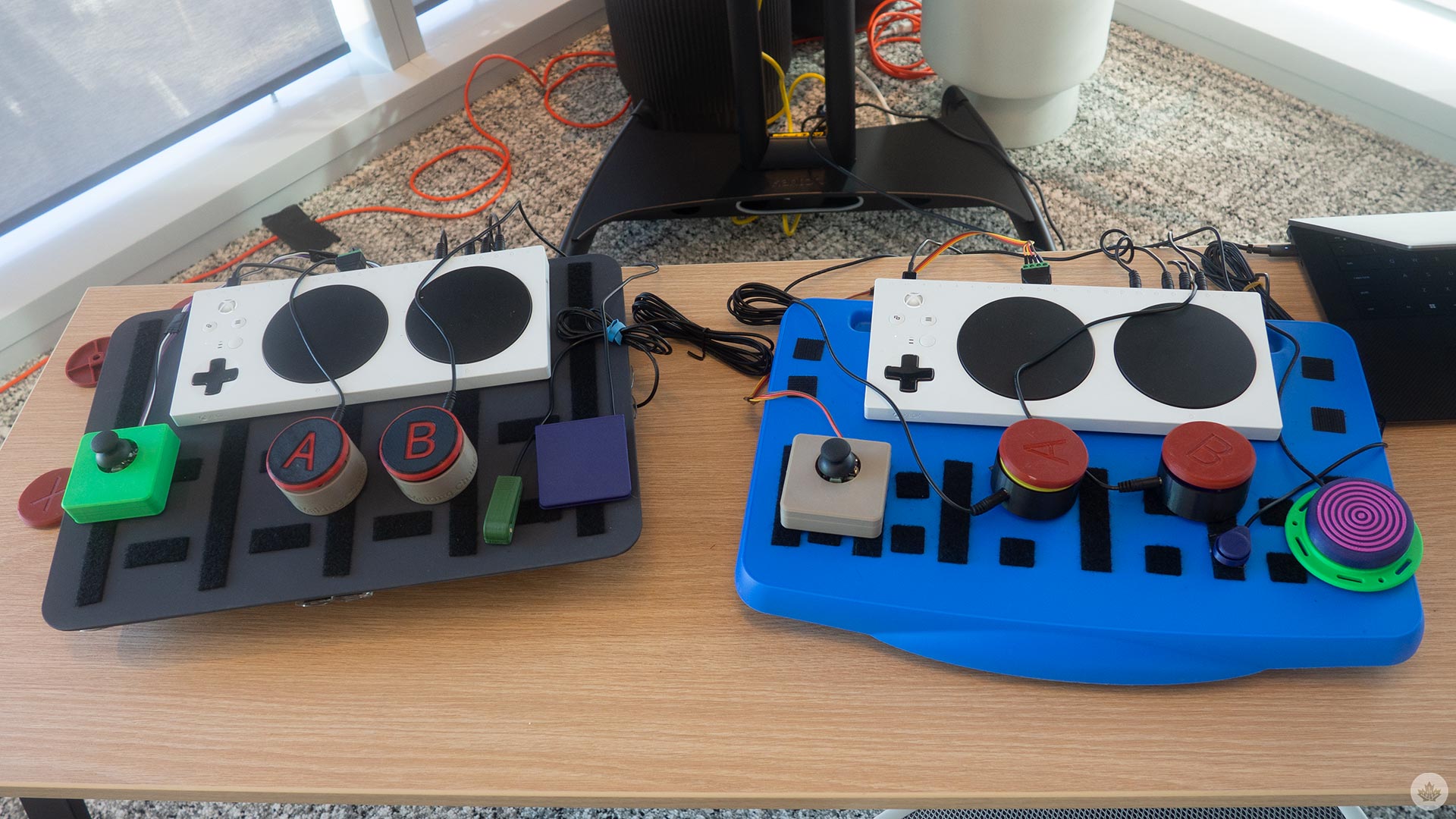
Makers Making Change produced 3D-printed switches that could be connected to the Xbox Adaptive Controller for those with limited mobility.
While this speaks to what developers are doing in their projects, #a11yTO Gaming also demonstrated some other accessibility initiatives.
Throughout the event, Microsoft’s Xbox Adaptive Controller was on display, a unified hub that works with a range of devices to help those with limited mobility.
Makers Making Change, a gaming division of the Canadian accessibility technology non-profit Neil Squire Society, was also in attendance. A representative, junior mechanical engineer Tyler Fentie, was on hand to present some of the group’s work. Part of that includes providing a wide variety resources on assistive technologies for new gamers and clinicians/secondary users, as well as fundraising for initiatives like giving kids accessible toys for the holidays.
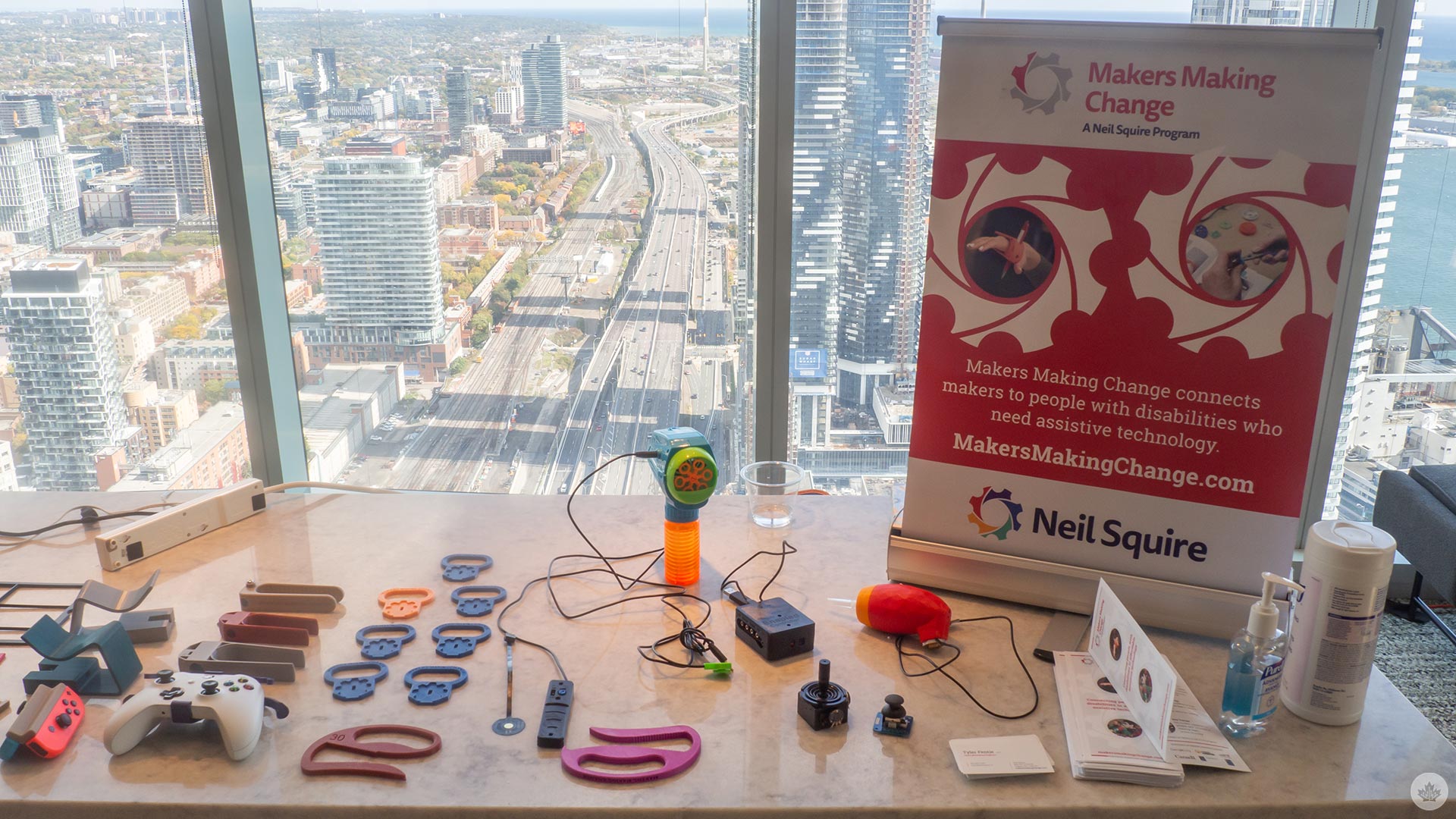
Makers Making Change has all sorts of DIY accessories that can be used to help making everyday gaming controllers more accessible.
According to Makers Making Change, switches and switch-accessible toys can be expensive, easily exceeding $100 each. But one especially neat thing that the organization does is help reduce these costs by taking existing devices, like battery-operated toys, and reassembling them switch jacks at a significantly lower cost — sometimes $5 or less.
Further, Makers Making Change has an open source collection of assistive technology solutions that you can use yourself or even have one of the organization’s volunteer makers build for you. Some of these DIY kits were on display at the conference, connected to Xbox Adaptive Controller for use in games like Ubisoft’s Brawlhalla.
Other great accessibility in gaming initiatives include Can I Play That?, the AbleGamers charity and the DAGER System. Eidos Montreal and Naughty Dog also gave us a significant amount of insight into accessibility in their games earlier this year.
Source by mobilesyrup.com